
- Home
- About Doctor
- Cancer Surgery
- Procedures & Techniques
- Minimally Invasive Cancer Surgery
- Robotic Cancer Surgery
- Laparoscopic Cancer Surgery
- Thoracoscopic Cancer Surgery (VATS)
- Open (Conventional) Cancer Surgery
- Sentinel Lymph Node Biopsy (SLNB)
- Cytoreductive Surgery (CRS)
- Hyperthermic Intraperitoneal Chemotherapy (HIPEC)
- Scarless/ Remote Access Thyroidectomy
- Resources
- Contact Us
Soft Tissue & Bone Tumors
Message from Dr. Ajay Simha
A diagnosis of a soft tissue tumour, bone tumour, or sarcoma can be challenging for patients and their families. Since these tumours are uncommon, concerns regarding diagnosis, treatment options, surgery, recovery, and the road ahead are natural.
When a soft tissue or bone tumour is suspected or diagnosed, a detailed evaluation is carried out to determine the tumour type, location, size, grade, stage of disease, involvement of surrounding structures, and the patient’s overall health. A personalised treatment plan is then formulated based on these factors and the individual patient’s treatment goals.
I am Dr. Ajay Simha, Consultant Surgical Oncologist (Cancer Surgeon), providing soft tissue sarcoma and bone tumour care at Manipal Hospitals Sarjapur Road, Bengaluru. This page provides an overview of soft tissue and bone tumours, from their symptoms and evaluation to the available treatment options.
What Is Soft Tissue and Bone Tumors?
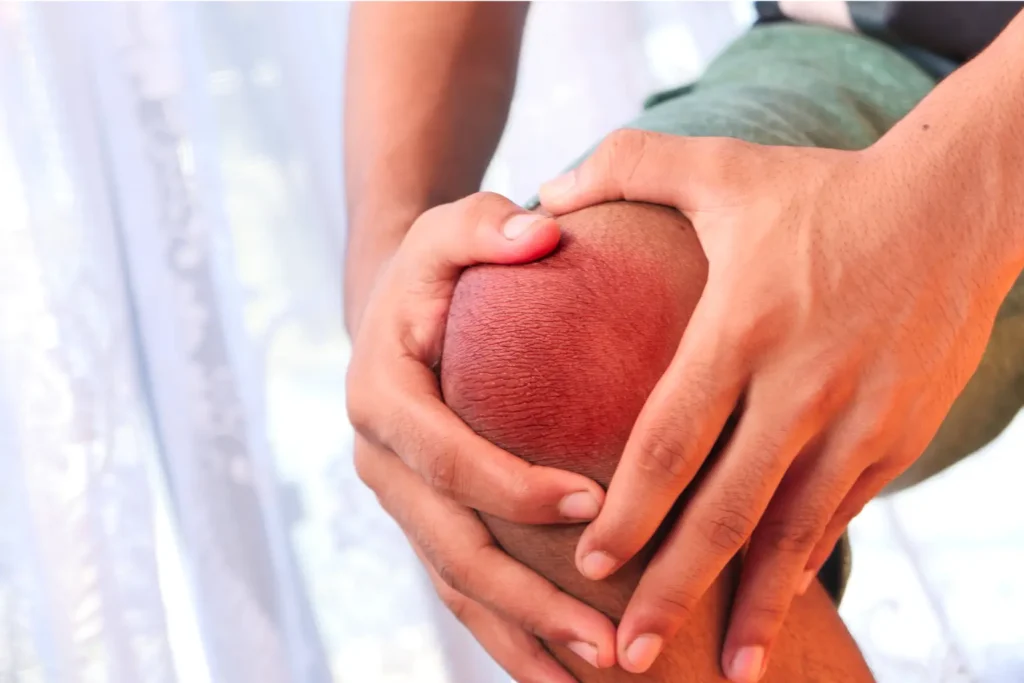
Soft tissue and bone tumours are abnormal growths that develop in the body’s supporting tissues. Malignant soft tissue and bone tumours are commonly known as sarcomas. These are uncommon cancers that require specialised evaluation because their behaviour, growth pattern, and treatment approach can vary depending on the tumour type and location.
Symptoms of Soft Tissue and Bone Tumors
Symptoms may vary depending on the location, size, and type of tumour.
Common signs and symptoms include:
- A growing lump or swelling
- Persistent pain in the affected area
- Deep-seated swelling in muscles or soft tissues
- Restricted movement near joints
- Bone pain that does not improve
- Unexplained fractures
- Numbness or weakness due to nerve involvement
- Increase in size of an existing lump
Not every lump is cancerous. However, any swelling that is growing, persistent, painful, or unusual should be evaluated by a specialist for proper diagnosis.
Evaluation of Soft Tissue and Bone Tumors
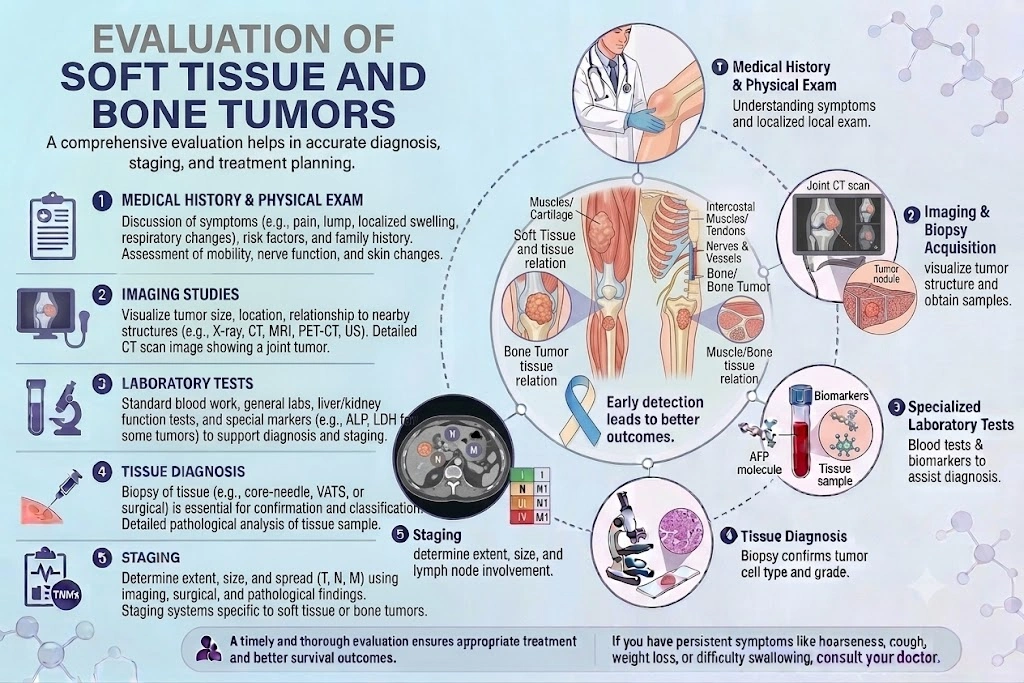
A comprehensive evaluation is required to confirm the presence of an ovarian tumour, understand its characteristics, and determine the extent of disease.
Pelvic Examination
A pelvic examination allows the doctor to assess the reproductive organs and identify any abnormal swelling, tenderness, or masses that may require further investigation.
CT Scan
CT imaging provides detailed views of the abdomen and pelvis and can help assess the size of the tumour and whether the disease has spread to nearby tissues or other areas.
MRI Scan
MRI may be recommended in selected cases when more detailed imaging is required to characterize an ovarian mass or evaluate its relationship with surrounding structures.
Blood Tests
Blood investigations may include tumour markers such as CA-125. These tests can provide supportive information during evaluation and may also be used to monitor certain patients during treatment and follow-up.
Treatment Options for Soft Tissue and Bone Tumors
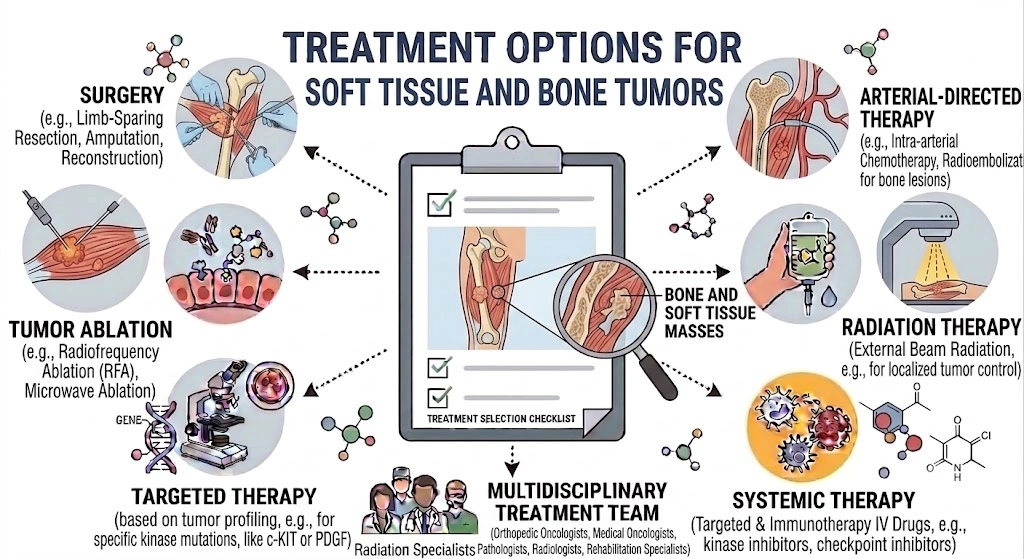
Treatment for soft tissue sarcoma and bone tumours depends on several factors, including:
- Type of tumour
- Size and location
- Tumour grade
- Stage of disease
- Involvement of surrounding structures
- Presence of metastasis
- Overall health condition
Surgery
Surgery is one of the main treatment options for many soft tissue sarcomas and bone tumours.
The aim of surgery is to remove the tumour completely while preserving surrounding healthy tissues and important structures whenever possible.
Surgical planning depends on:
- Tumour location
- Size and depth
- Relationship with nerves and blood vessels
- Bone involvement
- Possibility of achieving clear tumour margins
The surgical approach may include wide local excision, limb salvage procedures, bone tumour surgery and reconstruction, soft tissue tumour resection, or surgery for selected advanced or recurrent tumours.
Radiotherapy
Radiation therapy may be used as part of the treatment plan for selected soft tissue sarcomas and bone tumours. It may be considered before or after surgery depending on the tumour type, location, stage, and risk of recurrence.
The use and timing of radiation therapy are individualised based on the patient’s diagnosis and overall treatment plan.
Chemotherapy
Chemotherapy may be used for selected soft tissue sarcomas and bone tumours depending on the tumour type, grade, stage, and presence of disease spread. It may be incorporated into the treatment plan before or after surgery or used for advanced disease when appropriate.
Immunotherapy
Immunotherapy may be considered for selected patients with certain advanced soft tissue sarcomas or bone tumours depending on the tumour characteristics and treatment requirements. Its suitability is assessed on an individual basis as part of the overall multidisciplinary treatment plan.
Targeted Therapy
Targeted therapy uses medicines that act on specific biological factors involved in tumour growth. It may be considered for selected patients based on the type and molecular characteristics of the tumour and the extent of disease.
Supportive Care
Supportive care is an important part of soft tissue sarcoma and bone tumour treatment and focuses on maintaining the patient’s nutritional status, physical function, mobility, recovery, and overall quality of life throughout treatment.
Nutritional Support
Adequate nutrition and nutritional support are important during cancer treatment and recovery. Individualised nutritional guidance may help patients maintain their strength and support recovery during and after treatment.
Physiotherapy
Physiotherapy and rehabilitation play an important role in preparing patients for surgery, supporting recovery after surgery, and helping patients return to their previous activities of daily living. Physiotherapy may be particularly important for patients undergoing limb salvage surgery, bone reconstruction, or procedures that affect mobility and function.
Surgical Approaches for Soft Tissue and Bone Tumors
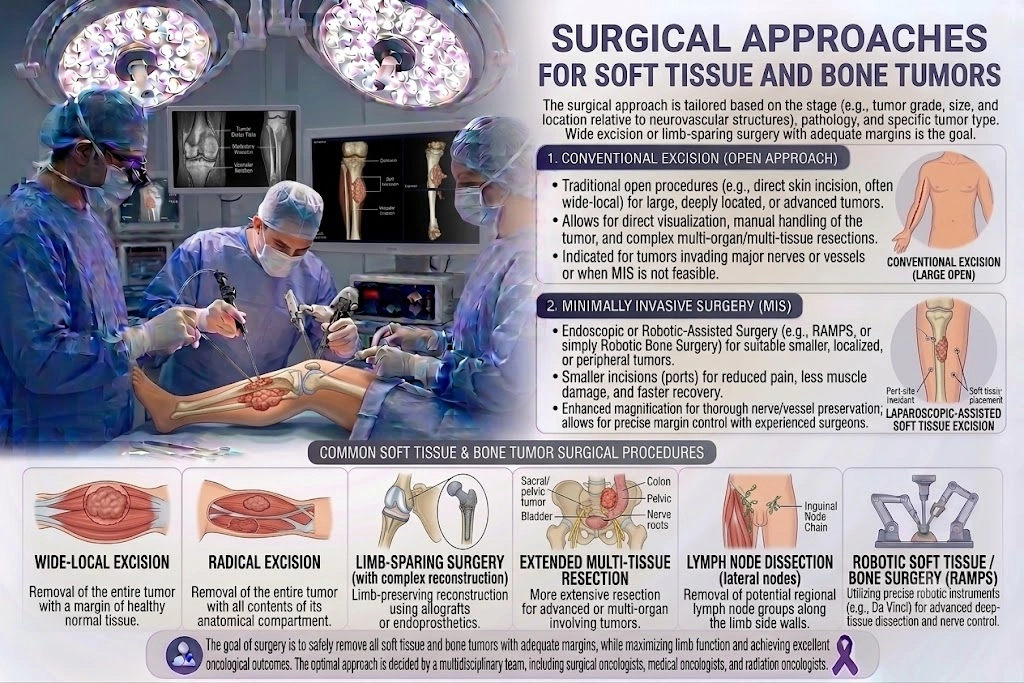
The surgical approach is selected based on the type, location, size, and depth of the tumour, its relationship with nerves and blood vessels, bone or soft tissue involvement, possibility of achieving clear tumour margins, and the patient’s overall health condition.
Soft Tissue Tumor Resection
Soft tissue tumour resection involves carefully removing the tumour along with adequate surrounding tissue to achieve complete cancer clearance.
This approach may be considered for:
- Localised soft tissue sarcomas
- Tumours involving muscles or connective tissues
- Recurrent soft tissue tumours in selected cases
The surgical plan is tailored to the tumour’s location and relationship with surrounding nerves, blood vessels, muscles, and other structures.
Surgery for Advanced Soft Tissue Sarcoma
For advanced soft tissue sarcomas, treatment planning requires careful evaluation of tumour spread and involvement of surrounding structures.
Dr. Ajay Simha is experienced in the surgical management of soft tissue sarcomas and bone tumours, including tumour resection, limb salvage procedures, and reconstruction-based approaches when required. Each treatment plan is carefully tailored to the tumour characteristics, disease extent, involvement of surrounding structures, and the patient’s functional requirements, with the goal of achieving complete tumour control while preserving mobility, function, and quality of life whenever possible.
Frequently Asked Questions
Soft tissue tumors are abnormal growths that develop in tissues such as muscles, fat, nerves, blood vessels, and connective tissues.
No. Many soft tissue tumors are benign. However, growing or suspicious lumps require specialist evaluation.
Sarcoma is a type of cancer that develops from connective tissues such as soft tissues or bones.
Diagnosis may involve physical examination, imaging studies, biopsy, and staging investigations.
Surgery is an important treatment option for many localized soft tissue sarcomas and bone tumors.