
- Home
- About Doctor
- Cancer Surgery
- Procedures & Techniques
- Minimally Invasive Cancer Surgery
- Robotic Cancer Surgery
- Laparoscopic Cancer Surgery
- Thoracoscopic Cancer Surgery (VATS)
- Open (Conventional) Cancer Surgery
- Sentinel Lymph Node Biopsy (SLNB)
- Cytoreductive Surgery (CRS)
- Hyperthermic Intraperitoneal Chemotherapy (HIPEC)
- Scarless/ Remote Access Thyroidectomy
- Resources
- Contact Us
Oral Cancer Surgery
Message from Dr. Ajay Simha

A diagnosis of oral cancer can be challenging for patients and their families. Concerns regarding treatment options, surgery, recovery, outcomes, and the road ahead are natural.
When oral cancer is suspected or diagnosed, a detailed evaluation is carried out to confirm the diagnosis and determine the stage of the disease. A personalised treatment plan is then formulated based on the tumour location, type of cancer, extent of disease, lymph node involvement, overall health, and individual treatment goals.
I am Dr. Ajay Simha, Consultant Surgical Oncologist (Cancer Surgeon), providing oral cancer care at Manipal Hospitals Sarjapur Road, Bengaluru. This page provides an overview of oral cancer, including its symptoms, evaluation, treatment options, and surgical approaches.
What Is Oral Cancer?
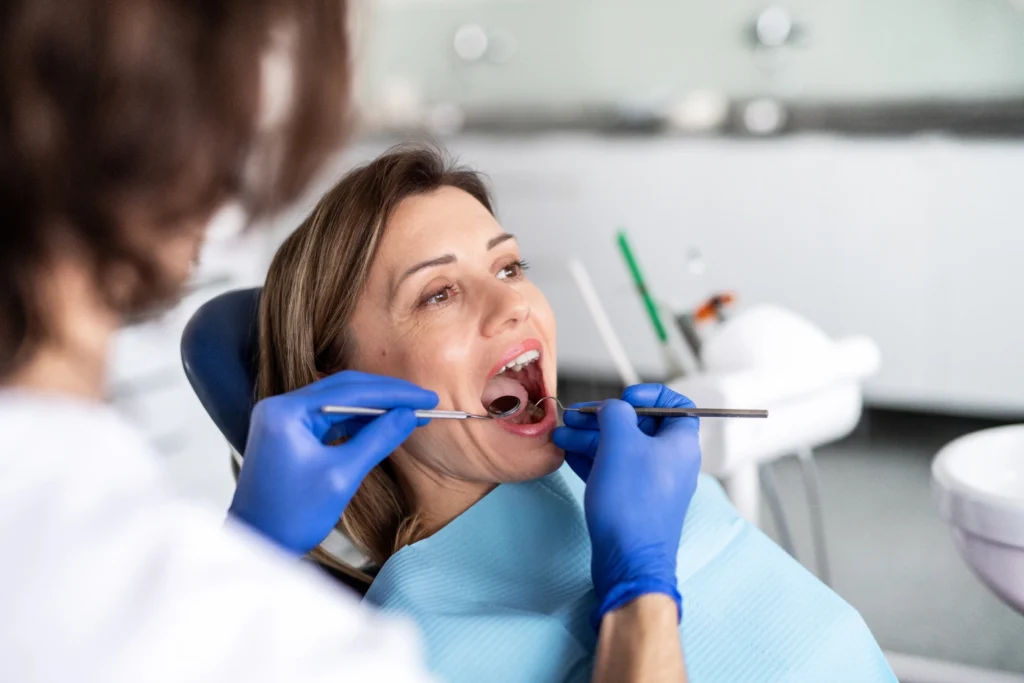
Oral cancer develops when abnormal cells in the mouth begin to grow uncontrollably, forming a tumour. It can affect different areas of the oral cavity, including the lips, tongue, inner lining of the cheeks, gums, floor of the mouth, hard palate, and other structures within the mouth.
Symptoms of Oral Cancer
The symptoms of oral cancer may vary depending on the location and stage of the disease. Some changes may initially appear as minor mouth problems but should be evaluated if they persist.
Common signs and symptoms include:
- Mouth ulcer that does not heal
- Persistent pain or discomfort in the mouth
- White or red patches inside the mouth
- Lump or thickening in the cheek or mouth
- Difficulty chewing or swallowing
- Difficulty opening the mouth
- Changes in voice
- Persistent sore throat
- Numbness of the lips, tongue, or mouth
- Loose teeth without an obvious dental cause
- Unexplained bleeding from the mouth
- Persistent jaw pain or swelling
Any persistent mouth changes or unusual symptoms should be evaluated by a specialist for proper diagnosis and timely treatment planning.
Evaluation of Oral Cancer
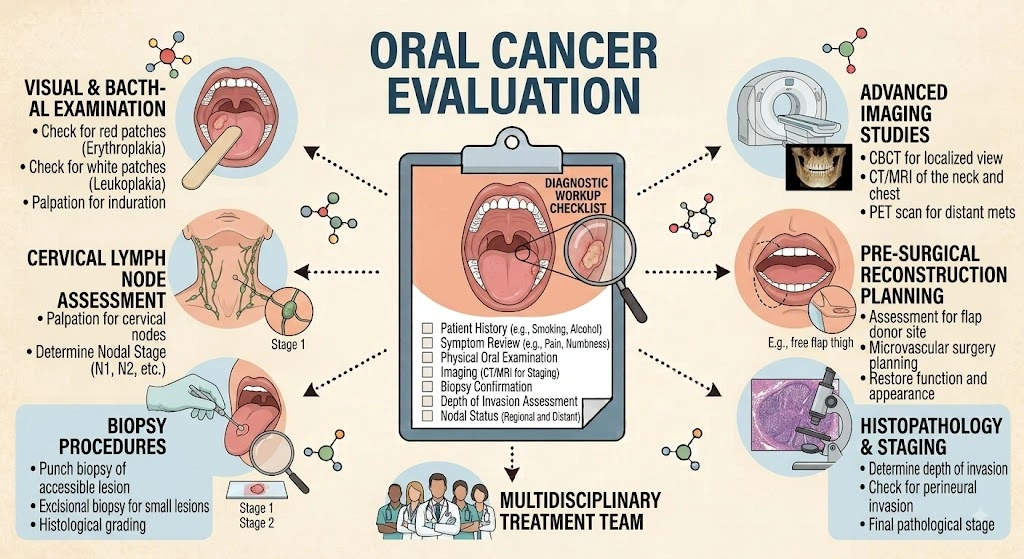
When oral cancer is suspected based on symptoms and clinical examination, a detailed evaluation is performed to confirm the diagnosis and determine the extent of the disease.
The diagnostic process may include:
Oral Examination
A detailed examination of the mouth helps identify abnormal areas, ulcers, growths, or changes in the oral tissues. The location and appearance of any suspicious lesion are assessed as part of the clinical evaluation.
Biopsy
A biopsy involves collecting a small tissue sample from the suspicious area. The sample is examined to confirm the diagnosis and identify the type of cancer.
Treatment Options for Oral Cancer
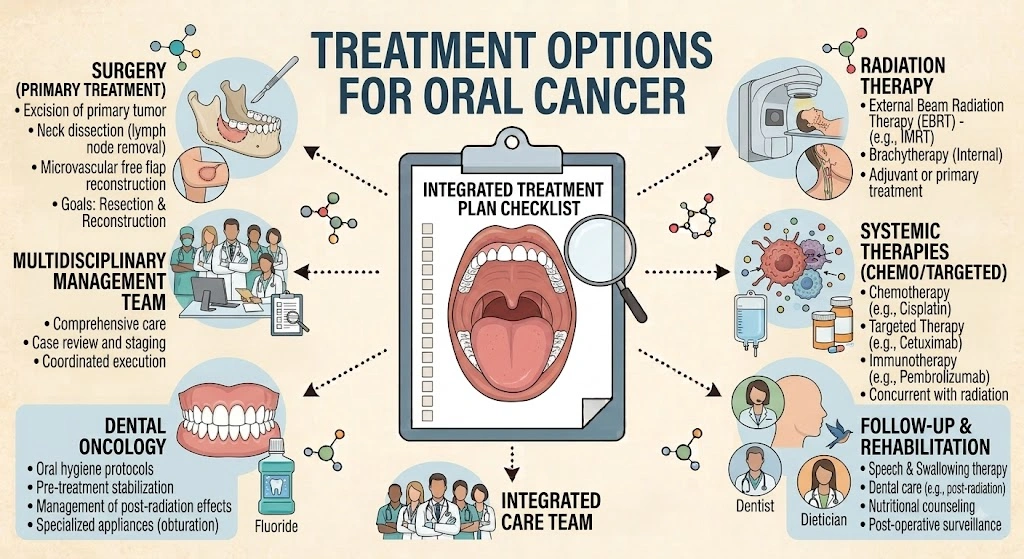
Treatment for oral cancer depends on several factors, including the location of the tumour, type of cancer, stage of disease, depth of tumour invasion, lymph node involvement, spread to surrounding tissues, and the patient’s overall health.
Management may involve surgery, radiation therapy, chemotherapy, targeted therapy, immunotherapy, supportive care, or a combination of these approaches. The appropriate treatment and sequence are determined according to the individual patient’s condition.
Surgery
Surgery is one of the important treatment options for oral cancer, particularly when the tumour can be safely removed. The main goal of surgery is to remove the cancer completely while preserving important functions such as speech, swallowing, chewing, and appearance whenever possible.
Tumour Removal Surgery
Tumour removal surgery involves removing the cancerous growth along with an adequate margin of surrounding healthy tissue.
The objective is to achieve complete cancer removal while minimising the impact on normal oral functions.
Radiation Therapy
Radiation therapy uses high-energy radiation to destroy cancer cells and control tumour growth.
It may be recommended:
- After surgery to reduce the risk of recurrence
- As the primary treatment in selected cases
- Along with chemotherapy for advanced oral cancers
Radiation treatment planning is personalised based on tumour characteristics, cancer stage, and individual treatment goals.
Chemotherapy
Chemotherapy uses anti-cancer medicines to destroy cancer cells or slow their growth.
It may be recommended:
- Along with radiation therapy for advanced oral cancer
- Before surgery in selected cases
- For recurrent or metastatic oral cancer
The type and duration of chemotherapy depend on the cancer stage, treatment response, tumour characteristics, and individual patient factors.
Targeted Therapy and Immunotherapy
For selected patients with advanced oral cancer, targeted therapy or immunotherapy may be considered based on tumour characteristics and treatment eligibility. Targeted therapies act on specific cancer-related processes, while immunotherapy helps the body’s immune system recognise and fight cancer cells.
The suitability of these treatments depends on detailed evaluation and individual medical factors.
Supportive Care

Supportive care is an important component of oral cancer treatment and focuses on helping patients maintain nutrition, manage treatment-related symptoms, support recovery, and preserve their quality of life.
Nutritional Support
Maintaining adequate nutrition is particularly important for patients undergoing oral cancer treatment, especially when chewing or swallowing is affected.
Personalised nutritional guidance and support can help patients maintain strength and support recovery during and after treatment.
Physiotherapy and Rehabilitation
Physiotherapy and rehabilitation may be recommended when required to support recovery, improve function, and help patients gradually return to their daily activities following treatment.
Surgical Approaches for Oral Cancer
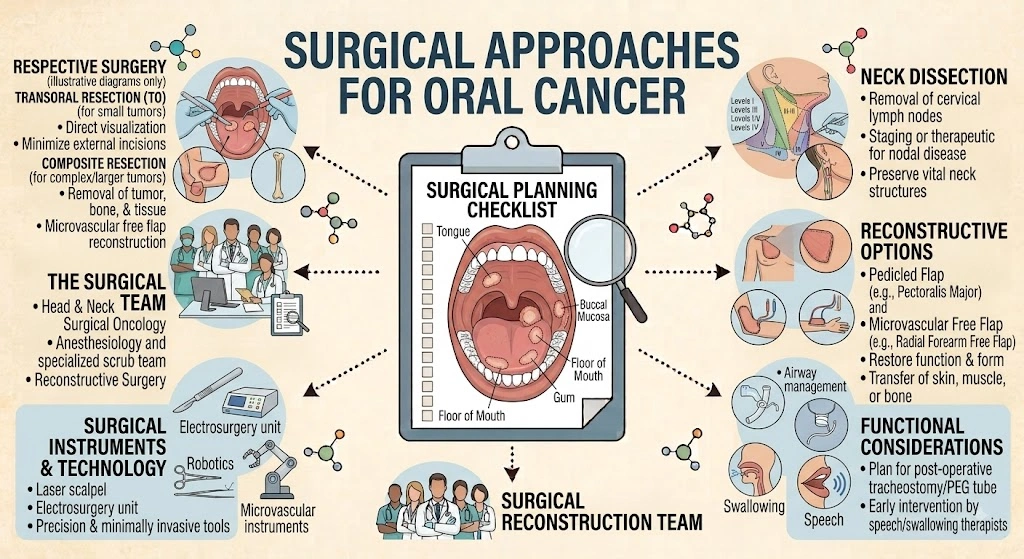
The surgical approach for oral cancer is selected based on tumour characteristics, cancer stage, location and extent of disease, functional considerations, and individual patient requirements.
Neck Dissection
Neck dissection involves removing lymph nodes in the neck when there is a risk or evidence of cancer spread. It helps with accurate staging and guides further treatment decisions. The type and extent of neck dissection are determined based on the pattern and extent of lymph node involvement and other disease characteristics.
Reconstructive Surgery
When removal of the tumour results in significant tissue loss, reconstructive surgery may be considered to restore anatomy and support important functions such as speech, swallowing, chewing, and facial appearance.
The surgical approach is planned after detailed evaluation, with the aim of achieving effective cancer control while preserving function, safety, and quality of life whenever possible.
Dr. Ajay Simha is experienced in advanced oral cancer surgery, including appropriate surgical techniques for tumour removal, neck dissection, and reconstruction when required. The goal is always to achieve complete cancer removal while ensuring patient safety, surgical precision, functional preservation, and optimal recovery.
Frequently Asked Questions
Early symptoms of oral cancer may include a mouth ulcer that does not heal, white or red patches, persistent pain, swelling, difficulty chewing, and changes in oral sensation.
Oral cancer diagnosis may involve physical examination, biopsy, imaging tests such as CT, MRI, or PET-CT scans, and lymph node evaluation when required.
Surgery is an important treatment option for many oral cancer patients, especially when the tumour can be removed completely. Treatment depends on cancer stage and individual patient factors.
Neck dissection is a surgical procedure to remove lymph nodes in the neck that may contain cancer cells or have a risk of cancer spread.
The effect of surgery depends on the location and extent of tumour removal. Reconstructive procedures and rehabilitation can help improve functional outcomes.